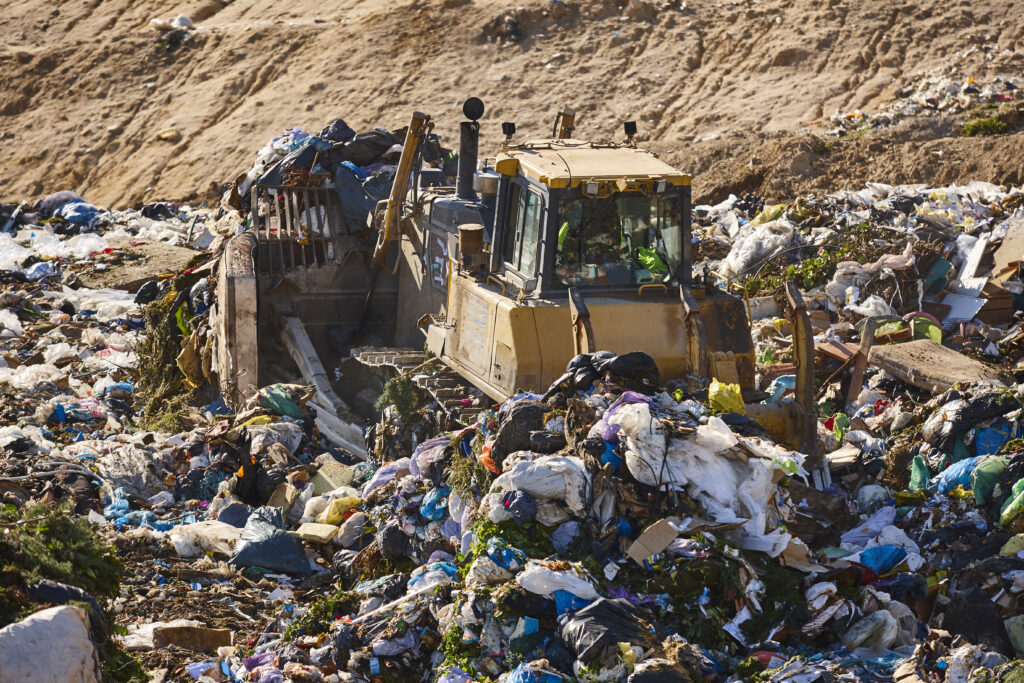

One Planet, One People, One Purpose

Nothing Should Go to Waste. Reimagining Waste. Together with technology, we can forge a partnership for zero waste to reclaim nature.

We are a WasTech (Waste Management Technology) start-up committed to transforming the way the world handles waste. At Pure Planet India, we are working to accelerate the circular economy cycle by providing green technology -led an end-to-end solution for any waste.

About Us

We Are the WasTech Revolution - Transforming Waste into Opportunity

We are human. We are the source of waste. We are responsible for the waste generated by us.

Every waste is unique. Every waste has a unique way to dispose of. Every waste can participate in the circular economy.

Pure Planet is a movement for conscious, sustainable living. We believe waste is purpose in disguise, and that every individual plays a role in shaping a sustainable planet. By fostering awareness and responsibility, we turn sustainability from an idea into a collective habit. Together, we can redefine waste as a resource and create a smarter, cleaner, and greener future for everyone.

0 +

Manned Experience

Vision Icon

OUR VISION

We envision a world where every individual recognises their responsibility toward waste and sees it as a valuable resource. By fostering awareness and collective action, we aim to build a truly circular, sustainable future that protects the planet for generations to come.

Mission Icon

OUR MISSION

Our mission is to transform waste management through research, innovation, and human-led technology. We empower institutions, communities, and businesses to adopt responsible waste practices, accelerate the circular economy, and turn environmental responsibility into meaningful action.

4.8+

Total Rating

Why Choose Us

Human-Led, Tech-Powered Waste Management for a Sustainable Planet

We are the WasTech organisation dedicated to one purpose: a greener and cleaner planet. We are developing a human-led, technology-driven solution for waste management. With the power of AI, SCADA, and IoT, Pure Planet builds smart, data-driven waste management systems that accelerate the circular economy and redefine waste management through human-led technology.

Human-Led, Tech-Powered

Scalable & Modular Design based on AI, SCADA and IoT, Tailored Solution for the Indian Scenario, in-house experts on waste management and environment sciences

Environmental Impact You Can Measure

A cloud-based dashboard for real-time monitoring of waste flows, landfill diversion, emissions reduction, energy output, and resource recovery, complete analytics with compliance reports and carbon footprint tracking.

Tailored-made Solutions for End-to-End Waste Ecosystem

Just like waste, every institution is different; we made a customised solution as per your needs. From the collection of waste to biogas and final resource recovery, we offer a complete solution.

Sustainable & Socially Responsible Approach

We integrate environmental justice, livelihood creation, and community engagement into every project. Long-term maintenance, training, operational support and transparent reporting to ensure success.

Our Values

Sustainability First

We design every solution to preserve natural resources, reduce pollution and build a circular economy.

Environmental Responsibility

Every decision we make is guided by the responsibility to protect the environment and restore our planet.

Innovation with Purpose

We harness technology and creativity to design solutions that solve real-world challenges.

Resource Respect & Recovery

Nothing should go to waste. Every waste is a resource waiting to be recovered.

Collaboration & Community

Change happens when people, businesses and governments work together.

Transparency & Integrity

We act with honesty and accountability in every partnership.

Environmental Justice & Inclusivity

Clean air, green spaces and safe waste systems are rights for all communities.

Responsibility to Future Generations

We create awareness and belongingness toward protecting our planet.

Team Pure Planet

Lakshmana Rao Parimi

Co-Founder & CEO

B-Tech | JNTU, Hyderabad

Dr. Yagnik R. Patel

Co-Founder & COO

PhD | CUG, Gandhinagar

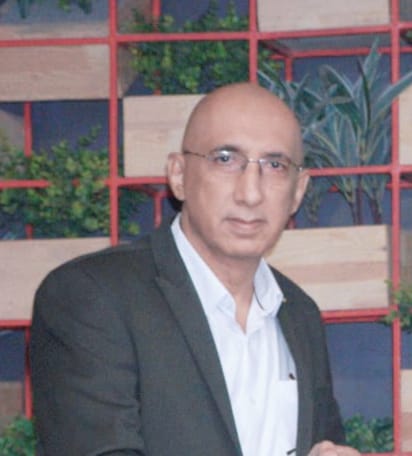
Sunil Shahdadpuri

Chief Growth Officer (CGO)

IIT (ISM), Dhanbad | IIFT, New Delhi

Dr. Atun Roy Choudhury

Technical Consultant

PhD | BITS Pilani, Hyderabad

Our Tagline Philosophy

One Planet • One People • One Purpose
1

One Planet

We are all connected to the Earth. We get food from the planet and human waste returns to the earth. Every human action affects the ecology. Whatever we do to the Earth, either harming or nurturing, we are doing to ourselves. We share one planet and one natural system.

2

One People

Since all people are connected through one planet, the survival, health and well-being of everyone are linked. We share a common biological legacy and responsibility. In this sense, we are one people across communities, borders and cultures.

3

One Purpose

It is the shared responsibility of all people to protect and restore our planet. Challenges like climate change and waste management are global; to solve them we must act together across generations with a common purpose, to protect our common home.

Our Offerings

Tailor-made Smart Waste Systems Designed

At Pure Planet India, we provide customised, scalable waste management solutions that cover every stage of the process. From source segregation to energy recovery, our innovations make sustainability simple for everyone, from households to industries.
Smart Waste Segregator & Compactor Bins

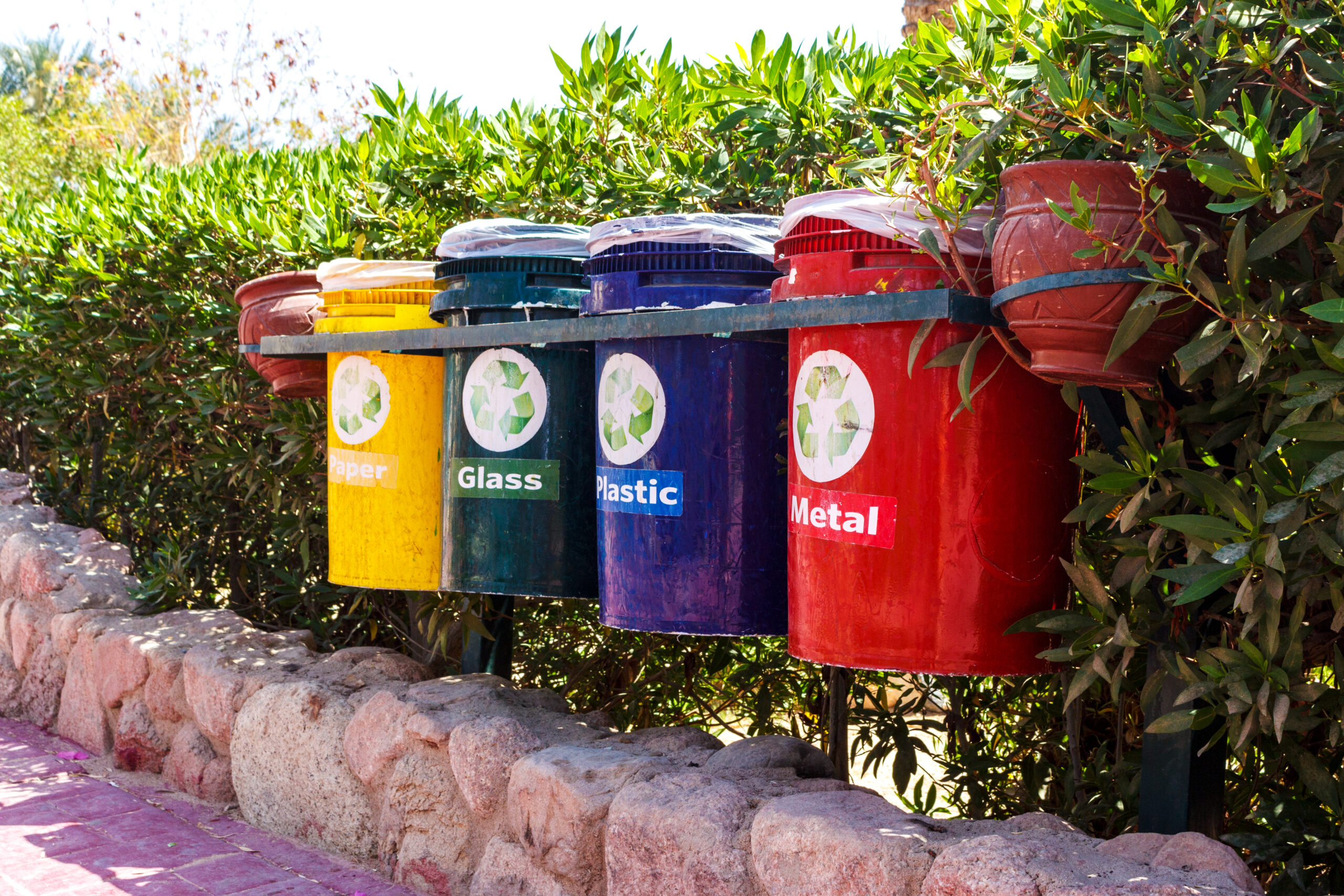
AI-powered bins that automatically identify, sort, and compact waste to improve recycling efficiency and support sustainable waste management operations effectively.
iSTAR (Technology Partner BITS Pilani, Hyderabad)

Patented thermophilic anaerobic digestion technology that processes hazardous waste efficiently and generates methane-rich bio-gas for renewable energy and sustainability use.

Bio Stabilisation Plant

A specialized system that converts biogas slurry into high-quality organic manure meeting FCO standards while supporting environmentally responsible agricultural and soil practices.

Consultancy for EPR-enabled Waste

Expert consultancy and solutions for all types of waste including special waste streams like, hazardous waste (Tyre, Used oil), end of vehicle, biomedical waste, construction & demolition (C&D) waste, E-waste, plastic waste, and battery waste as per the CPCB standard.

Carbon & Green Credit Solutions

Services that assist organizations in generating carbon credits and participating in reforestation-based green credit programs to improve environmental sustainability performance.

Assist to achieve CSR goals & ESG disclosures

Enabling industries and cities to meet Environmental, Social, and Governance (ESG) compliance with transparency and accountability.

We are in R&D for Waste Management and Environmental Solutions

We learn about the waste. Every waste is unique. Our human-led tech-powered designs understand the waste and redefine urban sustainability. From the smart bins that identify, sort, and compact waste to build partnerships for the goals , with those who believe in the idea of a circular economy, we are bridging the gap. We aim to combine cutting-edge technology to integrate quantifiable data for analytics with a human-first approach mission to transform waste management.

Budget spent on collection & segregation
0 %
National average of waste generation
0 Grams
ULB spending on waste management
0 ₹/600 Grams
Waste is unaccounted
0 %

Sustainable Development Goals We Support

Pure Planet India’s model is inherently sustainable and supports at least 12 SDGs by advancing economic empowerment, health, gender equality, clean water and energy, climate resilience, innovation, and circular resource use. Its impact ripples across environmental, social, and economic dimensions, making it a key driver of sustainable development at both local and global levels

Building Strong Foundational Environmental Capabilities

We are committed to developing strong foundational capabilities in sustainability, waste management, and environmental innovation.

Learn From Industry Experts

Our solutions are designed by certified experts in waste management, environmental sciences, and sustainable technologies. We combine human-led innovation with data-driven systems to redefine modern waste management.

Recognized Innovation

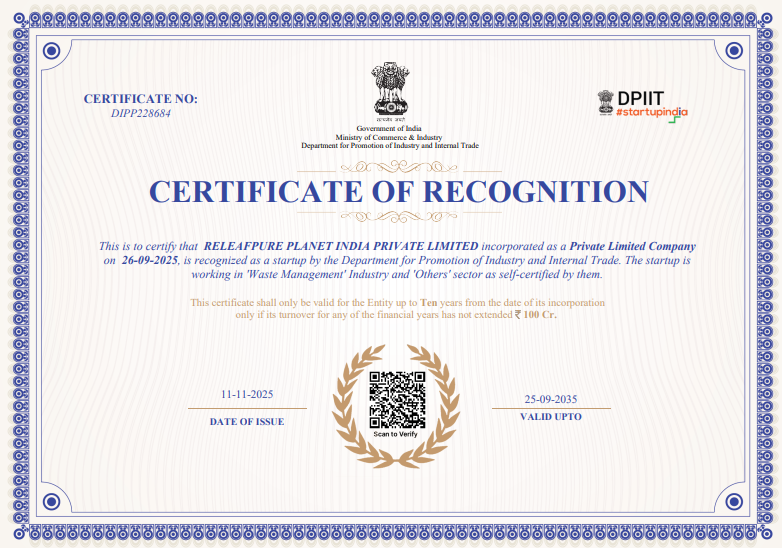
We are recognised by DPIIT for our contribution to transforming waste management through AI, IoT, SCADA, and patented technologies. This certification strengthens our commitment to building a cleaner, smarter, and sustainable India.

Purpose driven Sustainability

Every solution we design focuses on measurable environmental impact—reducing landfill waste, recovering resources, generating green energy, and supporting the circular economy.

Patented Technology

We bring patented thermophilic anaerobic digestion technology (iSTAR®), developed at BITS Pilani, enabling advanced biogas generation, slurry treatment, and sustainable waste processing.

Testimonial

Voices That Inspire Our Mission

Our work is driven by collaboration and trust. From city municipalities to industries and communities, our partners share how Pure Planet India’s technology has transformed waste into opportunity — making sustainability more than just a promise.

“Their technology proves that sustainability can be both practical and scalable.”
BITS Pilani, Hyderabad Campus

“With their IoT-driven waste tracking, our ESG reporting became effortless and transparent.”
EcoGreen Industries, Pune

“Pure Planet’s smart segregation and biogas system helped us achieve 95% waste diversion from landfills.”
Hyderabad Municipal Corporation

FAQ

Pure Planet India is a WasTech (waste-management technology) start-up that converts organic and other recoverable waste streams into clean energy (biogas), biofertiliser, and recyclable materials, using data-driven systems, automation, and circular-economy principles.

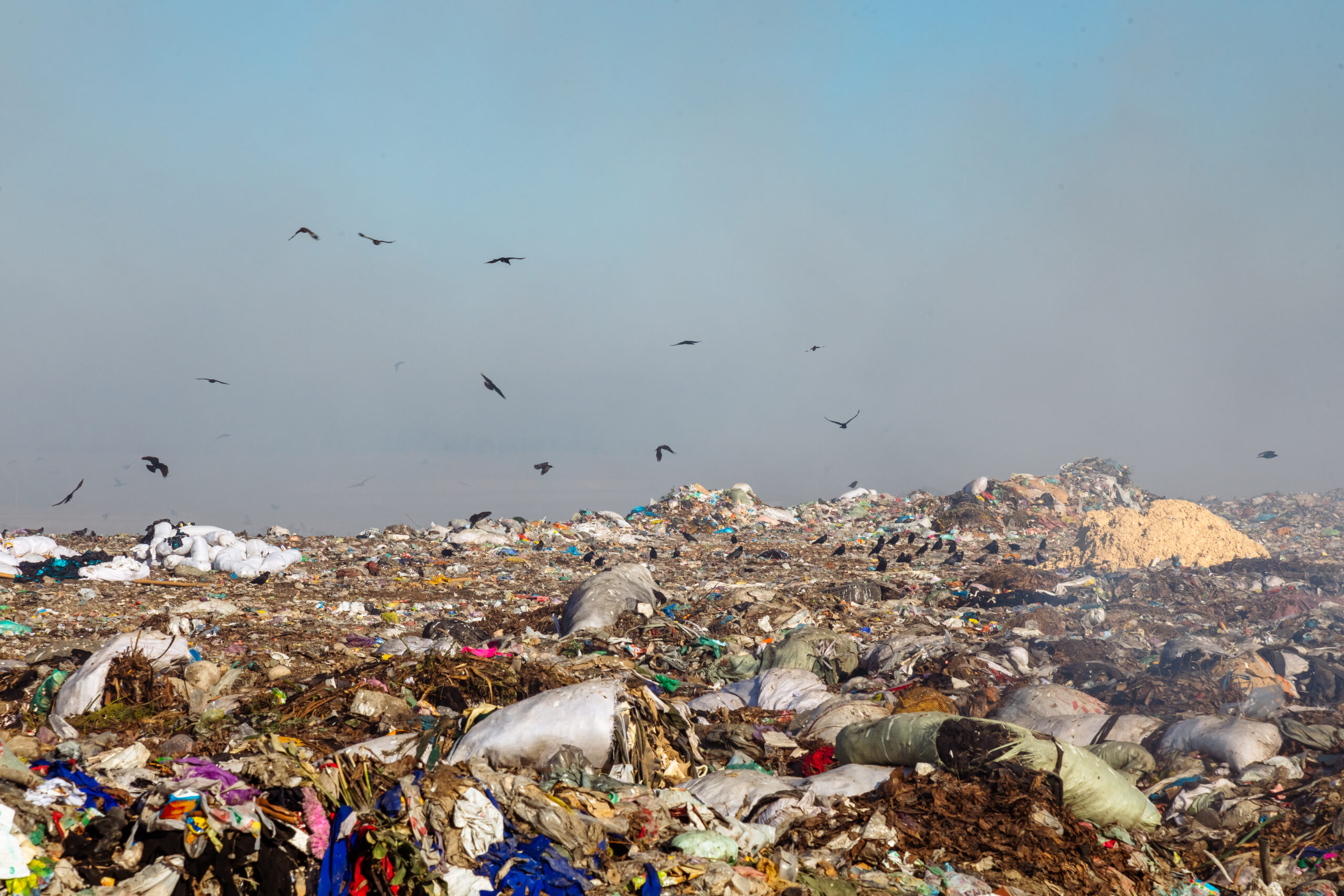
We move clients from a “collect–dump–landfill” model to a “segregate–recover–recycle–energy” model, combining on-site segregation, sensor-based monitoring, process optimisation, and value recovery (biogas, compost, recyclables) so that very little waste ends up in landfills.

Unlike traditional hauliers that mainly transport and dispose of waste, we design technology-enabled, zero-waste systems that maximise material recovery, convert waste into energy and fertiliser, and generate traceable environmental data that businesses can use for ESG, EPR, and sustainability reporting.

GHG (greenhouse gas) auditing is the systematic measurement and independent verification of an organisation’s emissions across Scope 1, 2, and often Scope 3, typically using standards like the GHG Protocol or ISO 14064 to ensure accuracy and credibility.

We help map waste- and energy-related emission sources, calculate emissions using recognised factors, quantify reductions from biogas and recycling, and prepare datasets and documentation that can be used by third-party GHG auditors and assurance providers.

A carbon footprint is the total GHG emissions caused directly and indirectly by an organisation, product, or activity, expressed in tonnes of CO₂-equivalent. We reduce clients’ footprints by avoiding landfill methane through biogas, displacing fossil fuel energy, increasing recycling, and providing emission data for monitoring and continuous improvement.

CCU means capturing CO₂ from emission sources or the air and using it to make fuels, materials, or other useful products instead of releasing it to the atmosphere. Our biogas and organic-waste systems support CCU pathways by generating biogenic CO₂ streams and integrating with partners who upgrade biogas and use captured carbon in products and processes.

Net-zero is a state where a company has reduced its emissions as much as possible (typically 90% or more across the value chain) and neutralises any remaining emissions through permanent removals. We support net-zero strategies by cutting waste- and energy-related emissions, documenting reductions, and enabling credible offsets or insets from biogas and circular-waste projects.

The Waste Hierarchy ranks options from best to worst for the environment: Prevention, Reuse, Recycling, Recovery (including energy from waste), and Disposal. Our solutions are designed to keep materials at the top of this hierarchy—focusing first on reduction and reuse, then on recycling and biogas recovery, and making landfill the last resort.

Our work contributes directly to at least 12 SDGs by: creating green jobs and livelihoods (SDG 1, 8), supporting sustainable agriculture with digestate (SDG 2), improving health through cleaner environments and clean cooking (SDG 3), empowering women via reduced drudgery and opportunities (SDG 5), protecting water and sanitation by preventing waste pollution (SDG 6), providing renewable energy (SDG 7), driving innovation and infrastructure (SDG 9), making cities more sustainable through better waste systems (SDG 11), promoting responsible consumption and production (SDG 12), cutting GHG emissions (SDG 13), and reducing pressure on land and ecosystems (SDG 15).

We design projects with measurable baselines and monitoring plans so that avoided emissions, renewable energy, and resource recovery can feed into carbon or green credit mechanisms and support corporate climate pledges, net-zero roadmaps, and sustainability-linked finance.

Scope 1 emissions are direct greenhouse gas emissions from sources a company owns or controls, such as fuel burned in boilers, generators or company vehicles.

Scope 2 emissions are indirect emissions from the generation of purchased electricity, steam, heating or cooling that the company uses in its operations.

Scope 3 emissions are all other indirect emissions across the value chain; key categories for waste and circularity include “waste generated in operations”, which covers emissions from landfilling, incineration, recycling, composting and wastewater treatment of a company’s waste handled by third parties.

How Pure Planet can help you:
Pure Planet helps you measure and reduce waste-related Scope 1 and Scope 3 emissions by improving on-site segregation, enabling low-carbon processing options (like composting or biogas), and diverting waste away from landfills and open burning. It also supports your ESG and BRSR reporting by generating reliable data on waste flows, recovery rates and avoided emissions that can be used in Scope 1, 2 and 3 disclosures.

Carbon negative (or climate positive) means removing more CO₂ from the atmosphere than is emitted, leading to a net reduction in atmospheric greenhouse gases. We help organisations approach carbon negative status by maximising avoided emissions (landfill methane and fossil fuels) and supporting projects that lock carbon into products, soils, or long-term sinks linked to our waste-to-resource systems.

 We structure waste-to-biogas, recycling, and methane-avoidance projects so their emission reductions can be quantified, monitored, and potentially verified under voluntary carbon credit frameworks, helping clients monetise environmental performance while funding more sustainable infrastructure.

We document and verify environmental actions, like reforestation, Mangrove conservation and eco-restoration of degraded forest land under the Green Credit Programme, helping our clients and communities earn green credits for recognised benefits.

Under India’s Plastic Waste Management Rules, PIBOs are Producers, Importers, and Brand Owners responsible for environmentally sound management of their plastic packaging throughout its life cycle under Extended Producer Responsibility (EPR).

We help PIBOs design and implement collection, segregation, and recycling systems; connect them with compliant recyclers and waste processors; generate traceable documentation of plastic waste handled; and support online EPR reporting to CPCB/SPCBs.

We co-create CSR projects around community waste management, clean energy access (biogas), plastic and organic waste recovery, climate education, and local livelihood generation, allowing companies to deliver measurable environmental and social impact aligned with Schedule VII themes and SDGs.

The EPI ranks countries on how well they protect human health and ecosystems, based on indicators like air quality, climate change, waste, water, and biodiversity.

By reducing open dumping and landfilling, cutting methane and other air pollutants, improving waste and wastewater handling, and enabling circular resource flows, our projects contribute to better outcomes on waste, climate, and pollution indicators that underpin such indices.

The Global Waste Index compares countries (mainly OECD members) on per capita waste generation, recycling, incineration, and landfilling to assess the environmental impact of their waste management systems.

We set up decentralised waste-to-resource systems (biogas, composting, recycling), train local staff, integrate digital monitoring, and design revenue/cost-saving models so that communities, campuses, and industrial parks can manage their own waste, energy, and soil health with minimal outside dependence.

By diverting waste from landfills, cutting methane and CO₂ emissions, reducing plastic leakage, regenerating soils, and enabling circular resource use, our projects tackle climate change, pollution, and resource depletion simultaneously.

Send A Message

Contact Us

Our Blog

What is waste segregation at the source?

Waste segregation at the source simply means sorting your waste at the…

waste

What is Waste?

Waste begins with a decision, not a dustbin At a material level,…

SDG 1: No Poverty

Creates inclusive local jobs and improves livelihoods, especially in underserved communities, by generating economic opportunities through waste management and biogas production.

SDG 2: Zero Hunger

Produces organic fertiliser (digestate) as a by-product of biogas generation, improving soil health and boosting agricultural productivity for smallholder farmers.

SDG 3: Good Health and Well-being

Reduces air and water pollution by managing waste safely and replacing polluting fuels with clean biogas, resulting in healthier communities and lower rates of respiratory and water-borne diseases.

SDG 5: Gender Equality

Delivers access to clean cooking fuels, which reduce indoor air pollution and save time, thus easing the traditional domestic burden on women and enabling more opportunities for education, employment, and leadership.

SDG 6: Clean Water and Sanitation

Enhances sanitation and water quality by preventing waste dumping, supporting safe recycling, and reducing contamination risks.

SDG 7: Affordable and Clean Energy

Provides renewable, decentralised energy through biogas, making clean energy accessible and affordable, especially in rural and peri-urban regions.

SDG 8: Decent Work and Economic Growth

Drives green job creation, entrepreneurship, and local economic development through circular economy business models and sustainable technologies.

SDG 9: Industry, Innovation, and Infrastructure

Pioneers technology-driven innovation in waste management and biogas, supporting resilient infrastructure and fostering sustainable industrial growth.

SDG 11: Sustainable Cities and Communities

Supports smart waste management systems that reduce landfill use, lower emissions, and improve living conditions in cities and communities.

SDG 12: Responsible Consumption and Production

Promotes circular economy principles, reuse, recycling, and resource optimisation, minimising waste and maximising value from materials.

SDG 13: Climate Action

Cuts greenhouse gas emissions (methane and CO₂), helping mitigate climate change via low-carbon waste processing and clean energy.

SDG 15: Life on Land

Prevents land degradation, protects local ecosystems, and supports biodiversity by reducing pollution and improving resource stewardship.

Waste Management & Environmental Calendar

MON
--
Environmental Day
Key environmental observance for this month.
Month Year
Sun
Mon
Tue
Wed
Thu
Fri
Sat
Upcoming highlights
    No upcoming events

    Keeping your community clean and green, one pickup at a time for a healthier tomorrow for a clean earth & clear future.

    Address :

    Info :